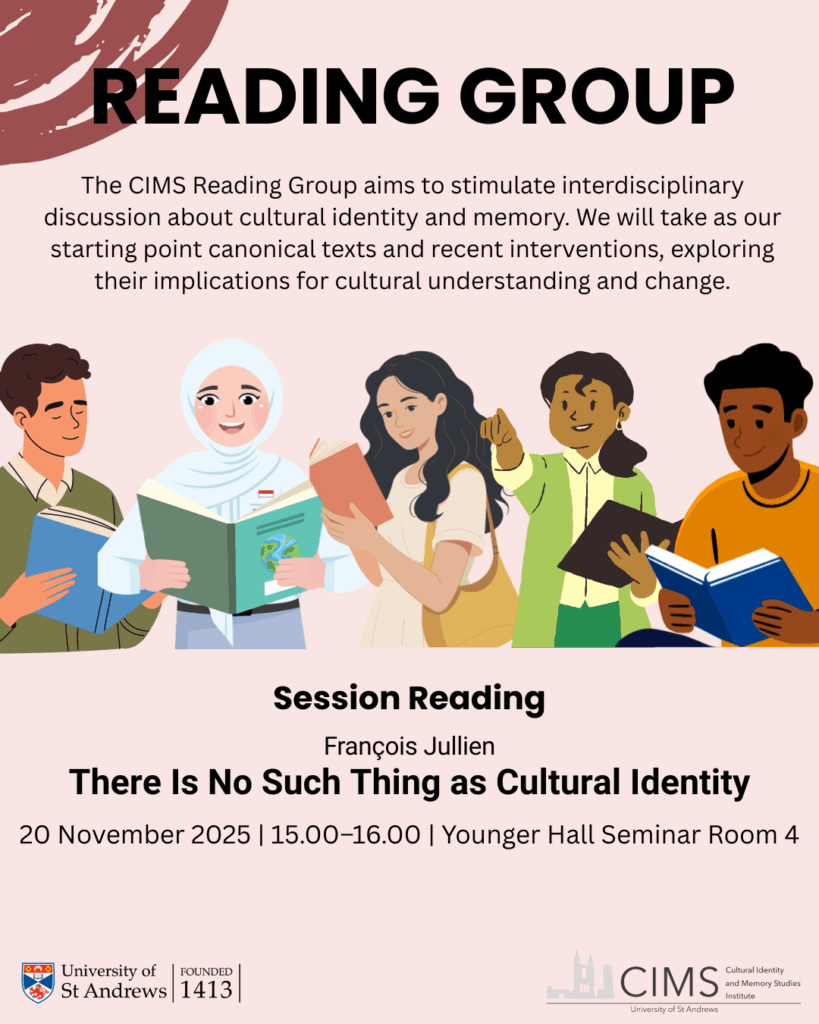
20 November 2025, 3:00–4:00 pm in Student Union, Seminar Room 101.
At our recent postgraduate reading group, we discussed chapters three and four of François Jullien’s “There Is No Such Thing as Cultural Identity,” focusing on his distinction between “difference” and “divide” (écart) and on the conceptual importance of the interspace that opens between cultures.
The discussion began with Jullien’s critique of “difference” as a dominant mode of thinking about culture. As Jullien argues, difference operates through distinction and classification, isolating features in order to compare and define them. This logic ultimately presupposes identity and leads back to it: once cultures are distinguished, they solidify into self-contained entities that no longer remain oriented toward one another. Difference, in this sense, does not challenge identity but reinforces it.
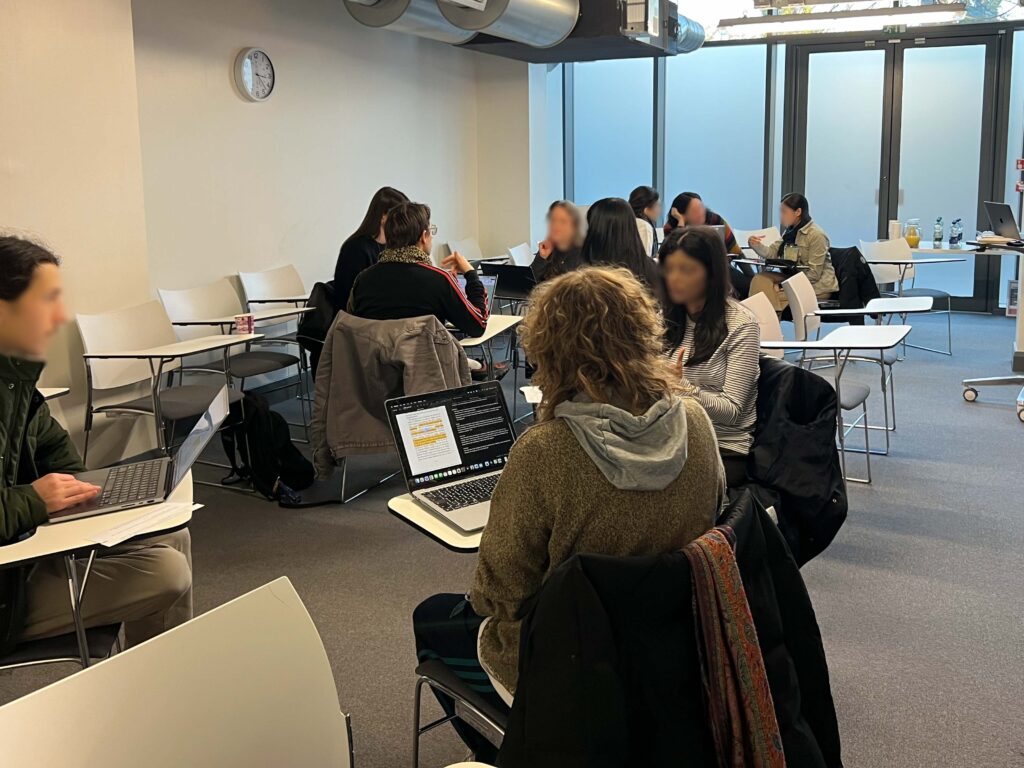
Against this model, Jullien proposes the concept of the divide. Rather than classifying cultures, the divide holds them apart in an ongoing relation. The emphasis here is not on separation but on tension: cultures remain exposed to one another, transformed through their mutual orientation. Participants discussed how this tension produces an interspace, an “in-between” that is neither neutral nor empty, but active and productive. It is within this interspace that new perspectives can emerge.
Building on this theoretical framework, the group explored examples in which cultural meaning arises between positions rather than within fixed identities. Literature, language contact, and lived cultural experience all served as points of reference for thinking about moments where something happens in the relation itself. This led to a broader discussion of Jullien’s claim that cultures which cease to transform risk ‘dying’. Participants reflected critically on this provocation, considering whether transformation is always desirable and how it might occur without erasing historical specificity.
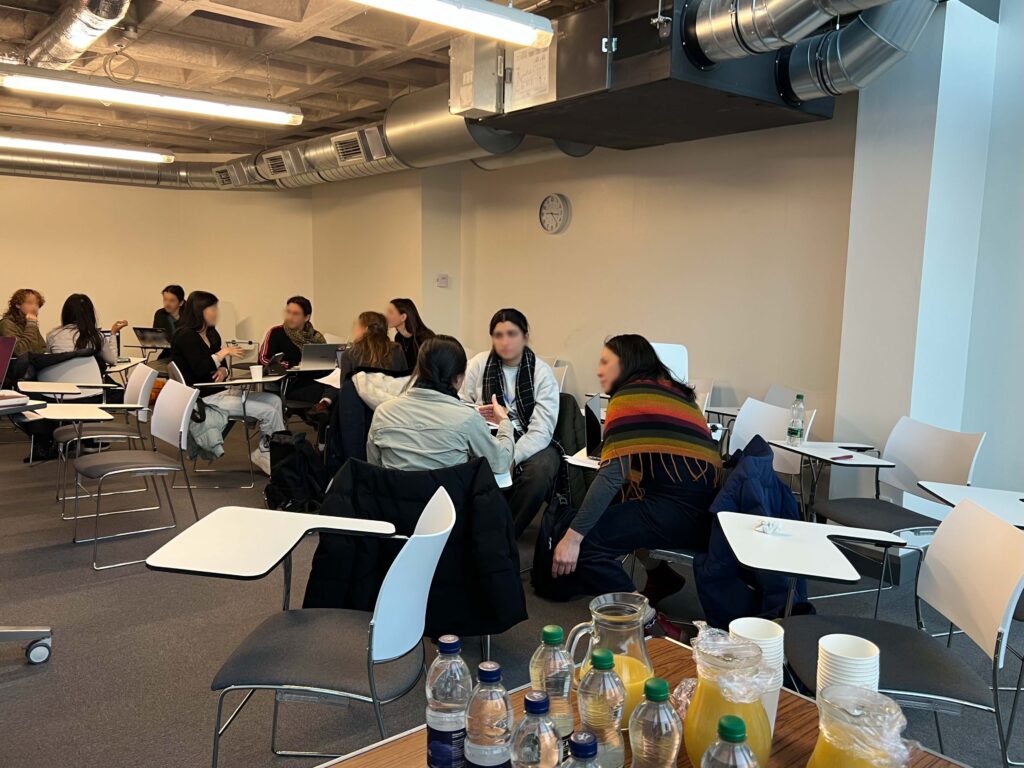
The conversation also turned toward contemporary discourse, examining how cultural identities are often reduced to static categories in media and political contexts. From this perspective, the group questioned whether it is possible to imagine political communities held together not by shared identity, but by tension and debate. Jullien’s concept of the interspace offered a productive lens for rethinking such questions, including reflections on Britain’s relationship to Europe after Brexit, where fixed notions of cultural identity continue to shape public debate.
Overall, the reading group highlighted the dangers of approaching cultural diversity through the lens of difference and identity alone. By contrast, Jullien’s notion of the divide opened up a way of thinking about culture as relational and generative, foregrounding what becomes possible when cultures are kept in productive tension rather than enclosed within stable definitions.